Roasting a whole chicken is a culinary art that transforms an ordinary meal into a feast. The crispy skin, juicy meat, and aromatic herbs create an experience that delights the senses and brings comfort to the table.
The Truth About This Recipe
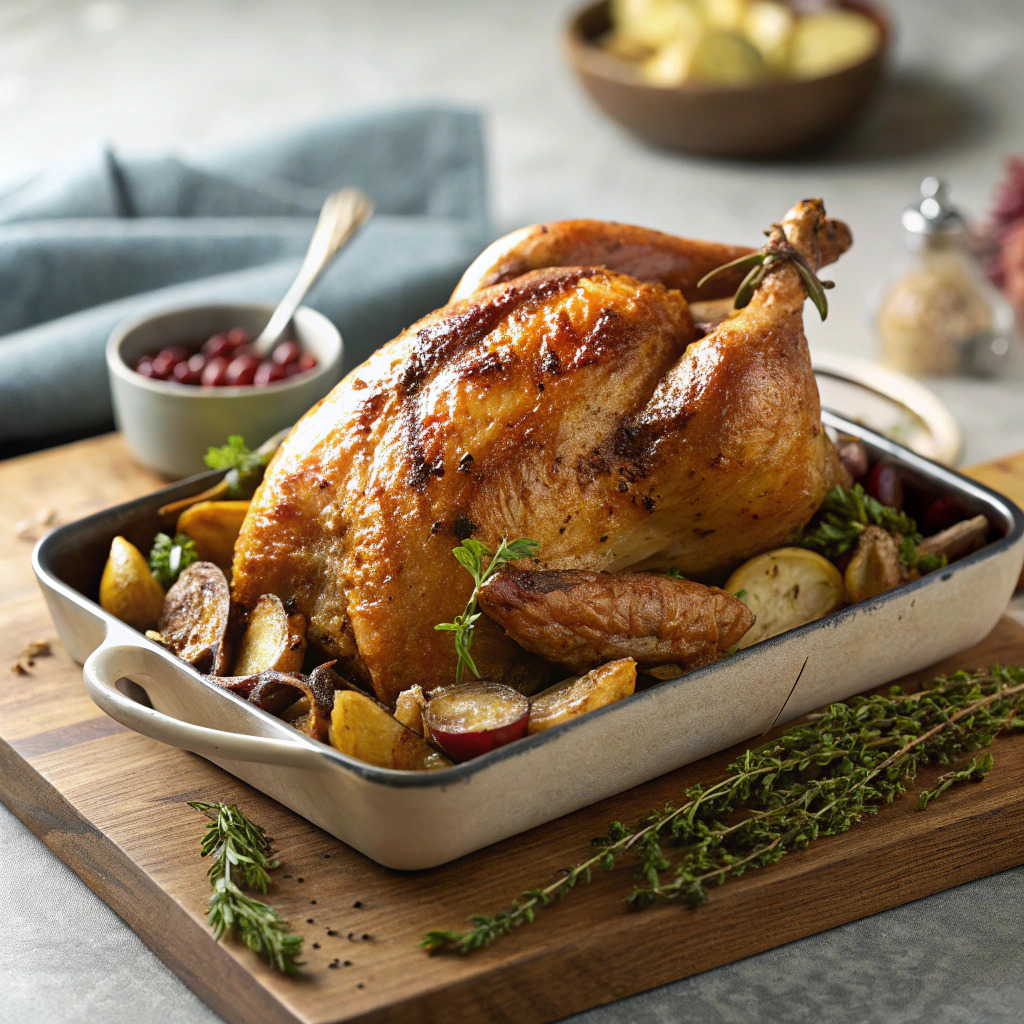
This recipe for a perfectly roasted whole chicken is a game-changer for any home cook. The secret lies in the simplicity of the ingredients and the technique used to ensure the chicken is tender and flavorful. By seasoning the chicken inside and out, and using a high heat method, you achieve that coveted golden-brown skin while keeping the meat moist. This dish is not only impressive for gatherings but also serves as a wonderful meal for family dinners. Roasting a whole chicken is an age-old tradition that allows the flavors to meld beautifully, making it a timeless classic in any kitchen. Enjoying this dish is about more than just the meal; it’s an opportunity to gather around the table and share a delicious experience.
What You'll Need (For Real)
To prepare this dish, you will need a few essential tools.
- A roasting pan to catch the drippings and support the chicken during cooking.
- A meat thermometer to ensure the chicken is cooked to a safe internal temperature.
- A sharp knife for carving the chicken once it’s cooked.
- Kitchen twine for tying the legs together, which helps the chicken cook evenly.
- Aluminum foil to tent the chicken while it rests, keeping it warm and juicy. Having the right equipment will make the cooking process smoother and ensure the best results.
Tips That Actually Matter
When preparing a whole chicken, it’s crucial to ensure food safety. Always wash your hands before and after handling raw chicken to avoid cross-contamination. Make sure to cook the chicken until it reaches an internal temperature of 165°F, checking the thickest part of the meat. Let the chicken rest for at least 15 minutes before carving to allow the juices to redistribute. For added flavor, consider brining the chicken overnight or marinating it for a few hours before roasting. This enhances the moisture and taste. Additionally, using a combination of herbs and spices can elevate the flavor profile, so feel free to experiment with your favorite seasonings. Remember, the key to a successful roast is patience and attention to detail.
Recipe Card

Ingredients
- one whole chicken (about four to five pounds)
- three tablespoons (olive oil)
- one tablespoon (salt)
- one teaspoon (black pepper)
- one teaspoon (paprika)
- one lemon (cut into wedges)
- four garlic cloves (crushed)
- fresh herbs such as rosemary or thyme (optional)
Instructions
- Preheat the oven to 450°F. Remove the chicken from the fridge and let it sit at room temperature for about 30 minutes. Cook chicken to internal temperature of 165°F (74°C).
- Pat the chicken dry with paper towels to ensure crispy skin. Cook chicken to internal temperature of 165°F (74°C).
- Rub the whole chicken with olive oil, then season generously with salt, black pepper, and paprika both inside and out. Cook chicken to internal temperature of 165°F (74°C).
- Stuff the cavity of the chicken with lemon wedges, crushed garlic, and fresh herbs if using. Cook chicken to internal temperature of 165°F (74°C).
- Tie the legs together with kitchen twine and tuck the wing tips under the chicken. Cook chicken to internal temperature of 165°F (74°C).
- Place the chicken in a roasting pan and roast in the preheated oven for about 1 hour, or until the internal temperature reaches 165°F.
- Let the chicken rest for 15 minutes before carving to allow juices to redistribute. Cook chicken to internal temperature of 165°F (74°C).
Storage Instructions
Store any leftovers in an airtight container in the refrigerator for up to four days. Reheat thoroughly before consuming.
Make It Different
For those looking to switch things up, there are numerous variations to consider. You can stuff the cavity of the whole chicken with lemon wedges, garlic cloves, and fresh herbs for a zesty twist. Alternatively, try a spice rub of paprika, cumin, and cayenne for a southwestern flavor. If you prefer a more Mediterranean approach, season the chicken with olive oil, rosemary, and thyme, and serve it with roasted vegetables. For a sweet and savory profile, consider glazing the chicken with honey and soy sauce. These variations can make the roasted chicken feel new and exciting every time.
Serving Inspo
Once the chicken is perfectly roasted, let it rest before carving. Serve it with a side of roasted vegetables, mashed potatoes, or a fresh salad to create a well-rounded meal. Drizzle the pan juices over the chicken for added flavor and moisture. For an elegant touch, garnish with fresh herbs like parsley or thyme. The leftovers can be used in sandwiches, soups, or salads, making this dish not only a showstopper but also a versatile option for meals throughout the week.
When Things Don't Go as Planned
| Problem | Solution |
|---|---|
| The chicken skin is not crispy. | Ensure the skin is dry before seasoning and roasting. Pat the chicken with paper towels to remove excess moisture. |
| The chicken is dry. | Avoid overcooking by using a meat thermometer to check for doneness. Also, allowing the chicken to rest before carving helps retain moisture. |
| The chicken is unevenly cooked. | Make sure the chicken is at room temperature before roasting. Tying the legs together helps promote even cooking. |
| The flavor is bland. | Be generous with seasoning both inside and outside of the chicken. Consider using a marinade or brine for added flavor. |
| The meat is tough. | Ensure proper cooking temperatures and allow for adequate resting time to help maintain tenderness. |
FAQ Central
Can I roast a frozen whole chicken?
It is not recommended to roast a frozen chicken as it may not cook evenly. Thaw it in the refrigerator first.
What should I serve with roasted chicken?
Roasted vegetables, mashed potatoes, or a fresh salad are great sides for roasted chicken.
How do I know when the chicken is done?
Use a meat thermometer to check that the internal temperature reaches 165°F.
Can I use different herbs for seasoning?
Yes, feel free to experiment with your favorite herbs and spices.
Is it necessary to let the chicken rest before carving?
Yes, resting allows the juices to redistribute, resulting in a juicier chicken.