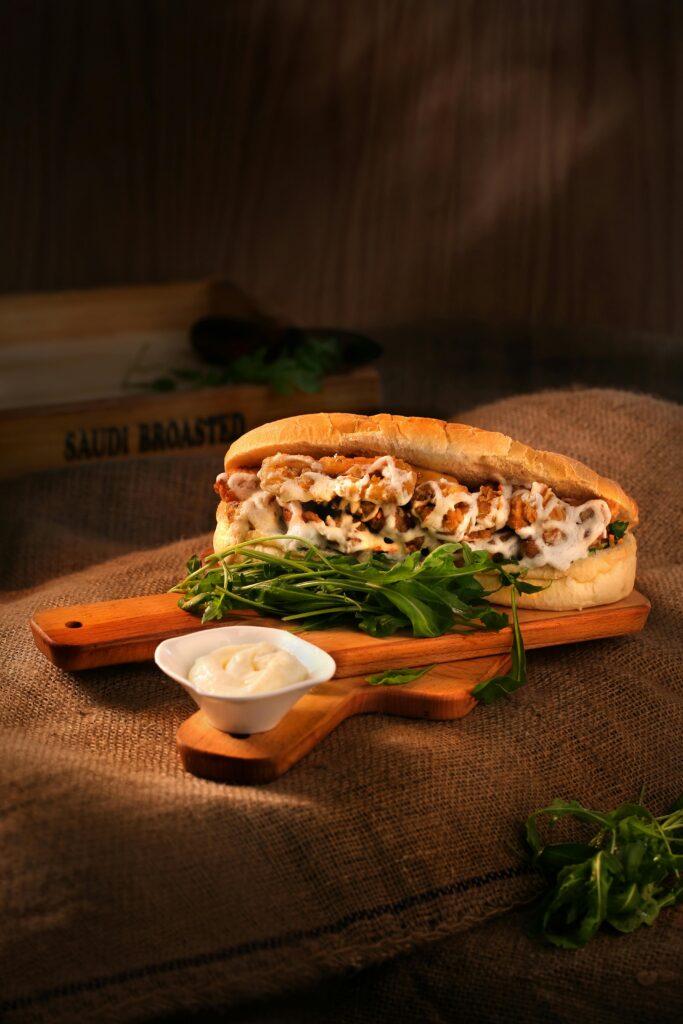
Baking homemade bread is a rewarding experience that fills your home with the irresistible aroma of fresh bread. This recipe will help you create soft, fluffy loaves that are perfect for sandwiches, toast, or simply enjoying with butter.
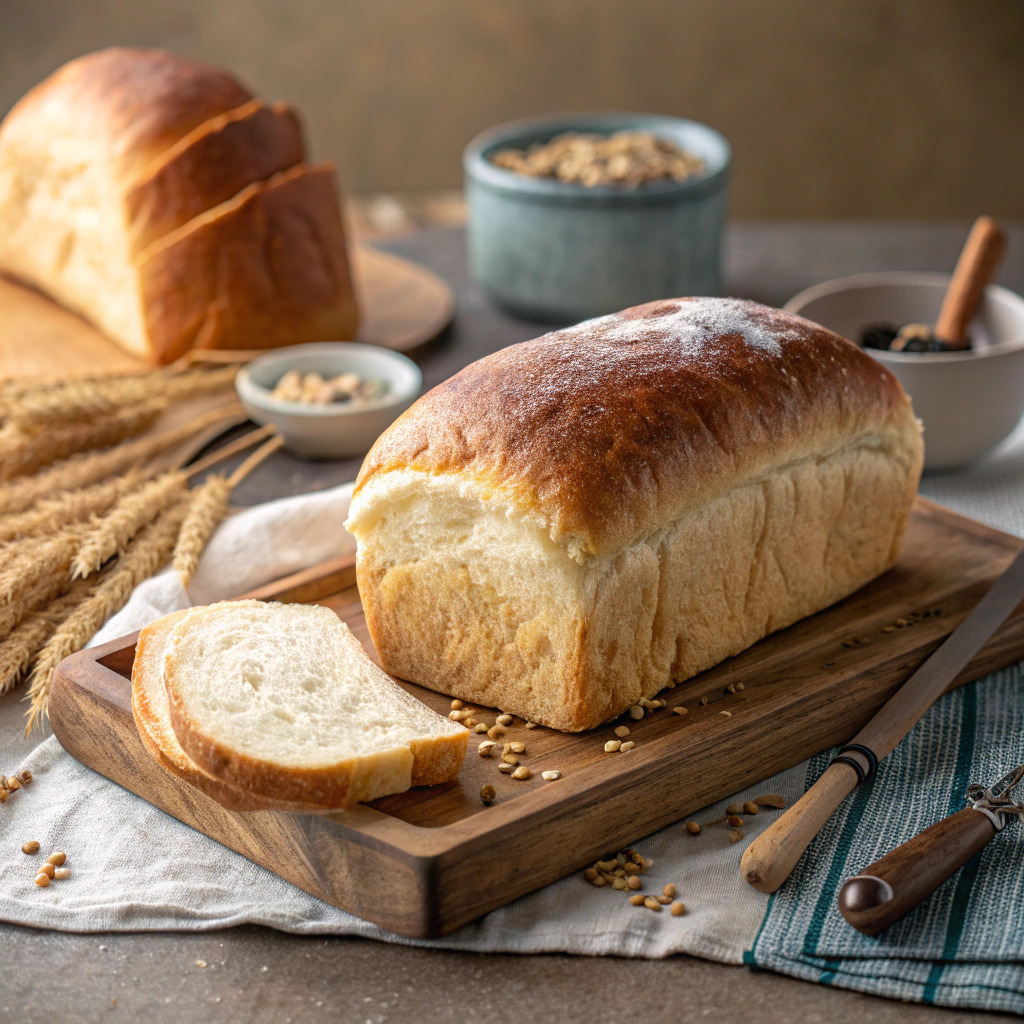
The Story
The beauty of homemade bread lies not only in its taste but also in the process of making it. This recipe highlights the joy of mixing simple ingredients to create something truly delightful. The combination of flour, yeast, water, and a bit of salt transforms into a dough that rises into a beautifully soft loaf. This bread is versatile enough to be used for various meals or eaten on its own. Whether you are a seasoned baker or trying your hand at bread-making for the first time, this recipe will guide you through each step with ease. The result is a loaf that boasts a golden crust and a soft, airy interior, making it irresistible to anyone who tries it. Homemade bread is not just food; it's an experience that brings warmth and comfort to your kitchen.
Equipment You Actually Need (Not What You Think You Need)
To successfully create this homemade bread, you will need a few essential tools.
- A large mixing bowl for combining ingredients
- A wooden spoon or dough hook for mixing
- A measuring cup and spoons for accuracy
- A baking sheet or loaf pan for shaping the bread
- A clean kitchen towel for covering the dough
- An oven for baking the bread
- A cooling rack to let the bread rest after baking. Having these tools will ensure a smooth baking process and a delicious outcome.
How to Nail It Every Time
For the best results, consider these tips while making homemade bread. Start by ensuring your yeast is fresh, as expired yeast can lead to poor rising. Always use warm water when activating yeast; temperatures between 100°F and 110°F are ideal. Kneading the dough is crucial for developing gluten, which gives the bread its structure. After shaping the dough, allow it to rise in a warm, draft-free area for optimal results. If you live in a cooler climate, turning your oven to the lowest setting for a few minutes, then turning it off, can create a perfect rising environment. Remember to check the internal temperature of the bread; it should reach at least 190°F when fully baked. Ensure proper handling of all ingredients, especially if using any perishables. Wash your hands and surfaces thoroughly to avoid contamination.
Recipe Card

Ingredients
- 4 cups all-purpose flour (plus extra for dusting)
- 2 teaspoons active dry yeast
- 1 tablespoon sugar
- 1 teaspoon salt
- 1 and 1/2 cups warm water
- 2 tablespoons olive oil (optional)
Instructions
- In a large mixing bowl, combine warm water, sugar, and yeast. Let it sit for about 5 to 10 minutes until foamy.
- Add salt and olive oil to the yeast mixture, then gradually incorporate flour, stirring with a wooden spoon until a rough dough forms.
- Transfer the dough to a floured surface and knead for about 8 to 10 minutes until smooth and elastic.
- Place the kneaded dough into a greased bowl, cover with a kitchen towel, and let it rise in a warm area until doubled in size, about 1 to 2 hours.
- Preheat the oven to 375°F. Punch down the risen dough and shape it into a loaf or place it in a loaf pan.
- Cover the shaped dough again and let it rise for another 30 minutes.
- Bake in the preheated oven for 25 to 30 minutes until the bread is golden brown and sounds hollow when tapped.
- Remove from the oven and cool on a rack before slicing.
Storage Instructions
Store the bread in a cool, dry place wrapped in a kitchen towel or in a bread bag for up to three days. For longer storage, freeze slices in an airtight container for up to three months.
Change It Up
There are many ways to customize your homemade bread to suit your taste. You might consider adding herbs, garlic, or cheese to the dough for a flavorful twist. Incorporating whole grains or seeds can enhance the nutritional value and add texture. For a sweeter version, try including honey or sugar into the dough and adding dried fruits or nuts. Experimenting with different types of flour, such as whole wheat or rye, can yield unique flavors and textures. Each variation can bring a new dimension to your homemade bread, making it a truly personalized creation.
Serving This Right
Serving your homemade bread is a delight in itself. Slice the loaf and serve it warm with butter for a classic treat. Pair it with soups and stews for a comforting meal. You can also use it for sandwiches, adding your favorite fillings for a hearty lunch. The bread can be toasted and topped with jams, spreads, or avocado for a delicious breakfast or snack. No matter how you serve it, the soft, fluffy texture and fresh flavor will surely impress your family and friends.
Help!
| Problem | Solution |
|---|---|
| The dough did not rise properly. | Ensure that your yeast is fresh and that the water temperature is appropriate for activating the yeast. If the environment is too cold, find a warmer spot for the dough to rise. |
| The bread is too dense. | This could be due to insufficient kneading or not enough rising time. Make sure to knead until the dough is smooth and elastic and allow it to double in size before baking. |
| The crust is too hard. | For a softer crust, brush the top of the loaf with melted butter before baking or cover it with a kitchen towel as it cools. |
| The inside of the bread is gummy. | This can happen if the bread is underbaked. Use a thermometer to ensure it reaches the correct internal temperature. |
| The bread has a yeasty flavor. | This might indicate that the dough has over-risen. Keep an eye on the dough as it rises and shape it as soon as it doubles in size. |
FAQs
Can I make this bread without a stand mixer?
Yes, you can mix and knead the dough by hand using a wooden spoon and your hands.
How can I tell if my bread is done baking?
The bread should be golden brown and sound hollow when tapped on the bottom.
What can I do if my dough doesn't rise?
Ensure your yeast is fresh and the water is at the right temperature. Try placing it in a warmer area.
Can I add ingredients like nuts or seeds?
Absolutely! Feel free to add your favorite mix-ins during the kneading process.
Is it possible to make this bread gluten-free?
Yes, you can substitute the all-purpose flour with a gluten-free flour blend, adjusting the liquid as needed.