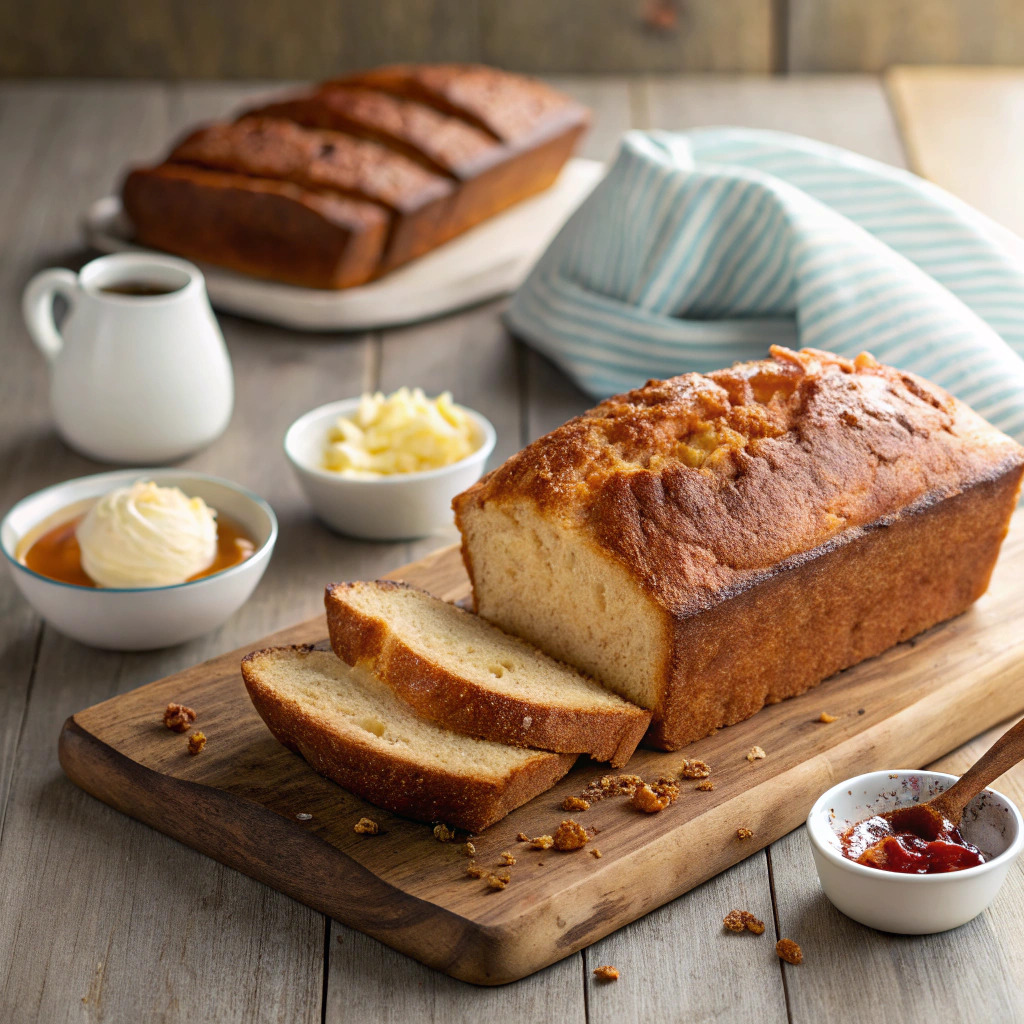
Discover the joy of baking with this Friendship Bread Starter recipe, a delightful way to create sweet bread that brings friends and family together. This starter is not only easy to make but also a wonderful way to share love through food.
Why Make This?
Friendship Bread Starter is a treasured recipe that has been passed down through generations, originating from the Amish community. It embodies the spirit of sharing and community, as this starter can be gifted to friends along with the instructions for making delicious bread. The process of nurturing the starter over ten days is both rewarding and therapeutic, as you watch it bubble and grow. This sweet bread is incredibly versatile, perfect for breakfast or dessert, and can be customized with various add-ins such as nuts, fruits, or chocolate chips. The beauty of this recipe lies in its simplicity and the connections it fosters among those who share it.
The starter itself is a blend of flour, sugar, milk, and yeast, which ferments over time, developing a rich flavor that makes the bread so special. Once you’ve created your starter, you can bake several loaves of bread, and the cycle continues as you share portions of the starter with others. This recipe not only fills your kitchen with delightful aromas but also creates cherished memories with loved ones as you gather to enjoy the fruits of your labor.
Equipment Lineup
To create the Friendship Bread Starter, you will need a few essential items to ensure a successful baking experience.
- A large mixing bowl for combining the ingredients
- A wooden or silicone spoon for stirring
- A measuring cup for accurate measurements
- A clean jar or container with a lid for storing the starter
- A kitchen towel or plastic wrap to cover the bowl during fermentation
- An airtight container for storing the starter in the fridge once it's ready. Having these tools on hand will make the process smooth and enjoyable.
Tips You Can't Live Without
When preparing the starter, it is important to maintain a clean environment to prevent contamination. Always wash your hands and any utensils thoroughly before use. If you notice any unusual smells or colors, it is best to discard the starter and start again. Be patient during the fermentation process; the starter needs time to develop its flavor. Stir the mixture daily and avoid using metal utensils, as they can react with the yeast. Remember to keep the starter at room temperature for optimal fermentation. When baking with the starter, ensure that the bread reaches an internal temperature of at least 190°F to guarantee it is fully cooked. Sharing the starter with friends is a wonderful way to spread joy, but make sure they understand the importance of following the care instructions to ensure success.
Recipe Card

Ingredients
- 1 cup all-purpose flour
- 1 cup sugar
- 1 cup milk
- 2 teaspoons active dry yeast
Instructions
- In a large mixing bowl, combine the flour, sugar, milk, and yeast. Stir until well blended.
- Cover the bowl with a kitchen towel or plastic wrap and let it sit at room temperature for 24 hours.
- After 24 hours, stir the mixture and then feed it with an additional cup of flour, cup of sugar, and cup of milk every day for the next 6 days.
- On the 10th day, your starter is ready to use. You can now share it with friends or use it in your Friendship Bread recipe.
Storage Instructions
Store the starter in a clean, airtight container in the refrigerator when not in use. It can last for up to two weeks before needing to be fed again.
Change It Up
There are countless ways to customize your Friendship Bread Starter once it’s ready. You can experiment with different flavors by adding cinnamon, vanilla extract, or even chocolate chips to the dough. For a nutty twist, consider incorporating chopped walnuts or pecans. Dried fruits such as raisins or cranberries can also add a delightful sweetness. If you prefer a healthier version, try replacing some of the all-purpose flour with whole wheat flour or adding oats for texture. Each variation brings its own unique flavor to the bread, making it a delightful treat for any occasion.
Serve It With
When it comes to serving your Friendship Bread, consider slicing it fresh and warm from the oven. It pairs wonderfully with butter, cream cheese, or fruit spreads, making it a delightful breakfast option. For dessert, serve it with a dusting of powdered sugar or a drizzle of glaze. This bread also makes for a thoughtful gift, beautifully wrapped and shared with friends or family. Enjoy it with a cup of coffee or tea for a cozy afternoon treat.
Emergency Fixes
| Problem | Solution |
|---|---|
| The starter doesn't seem to be bubbling after several days. | Ensure the starter is kept at room temperature and try placing it in a warmer area of your kitchen. Sometimes, yeast needs a little warmth to activate properly. |
| The bread turns out dense and heavy. | Make sure to measure your ingredients accurately and avoid overmixing the dough. If the starter is too old or not fed properly, it may not provide enough lift, so always check its freshness before using. |
| The bread has an off smell or unusual appearance. | Discard the starter if it shows signs of mold or an unpleasant odor. This indicates that harmful bacteria may have contaminated it. Always prioritize food safety and start fresh if needed. |
Questions I Get Asked
How long can I store the starter?
You can store the starter in the refrigerator for up to two weeks before needing to feed it again.
Can I freeze the starter?
Yes, you can freeze the starter for up to three months. Just make sure to let it thaw completely before using.
What should I do if my starter develops mold?
If you see mold, discard the starter immediately. It’s important to ensure food safety.