Making pasta from scratch is a fulfilling culinary experience that connects you to the heart of Italian cuisine. The aroma of fresh dough and the satisfaction of creating your own pasta shape is unmatched. This guide will walk you through the process, ensuring that you achieve delightful homemade pasta.
Why This Recipe Just Works
Crafting pasta from scratch is not merely about following a recipe; it is an art form that has been passed down through generations. The beauty of homemade pasta lies in the simple yet high-quality ingredients: flour, eggs, and a touch of salt. Each step in the process enhances the flavor and texture, resulting in a dish that is far superior to store-bought alternatives. Making your own pasta allows for creativity; you can choose the thickness, shape, and even add flavors like spinach or beetroot for a colorful twist. The tactile experience of kneading the dough and rolling it out by hand creates a tangible connection to your food, making the final meal even more rewarding.
This guide focuses on the traditional method of pasta making, which can be adapted for various types of pasta, including tagliatelle, fettuccine, or ravioli. With practice, you’ll master the technique, impressing family and friends with your culinary skills. Prepare to embark on a delightful journey into the world of pasta making, where the possibilities are endless and the results are always delicious.
What You'll Need from Your Kitchen Drawers
To successfully make pasta from scratch, you will need a few essential tools.
- A large mixing bowl for combining ingredients.
- A clean, flat surface or a dedicated pasta board for kneading and rolling out the dough.
- A rolling pin or a pasta machine to achieve the desired thickness.
- A sharp knife or pasta cutter to shape the pasta.
- A clean kitchen towel for covering the dough as it rests.
- A pot for boiling water and a slotted spoon or spider for transferring the pasta once cooked. These tools will help streamline the process, making it efficient and enjoyable.
Game-Changing Tips I Learned the Hard Way
When making pasta from scratch, always use high-quality flour, such as '00' flour, for the best texture. Ensure your eggs are at room temperature before mixing, as this helps with the dough's elasticity. Kneading is crucial; aim for a smooth and elastic dough, which typically takes about 8 to 10 minutes of hand kneading. After mixing, let the dough rest for at least 30 minutes, covered with a kitchen towel to prevent drying out. This resting period allows the gluten to relax, making it easier to roll out. Food safety is paramount; wash your hands and all surfaces thoroughly before and after handling raw eggs. Ensure that when cooking your pasta, it reaches a safe internal temperature. Generally, fresh pasta cooks quickly; keep an eye on it to avoid overcooking.
Recipe Card

Ingredients
- 2 cups all-purpose flour (or '00' flour for better texture)
- 3 large eggs (at room temperature)
- 1/2 teaspoon salt (optional for flavor)
Instructions
- On a clean surface, create a mound with the flour and make a well in the center. Crack the eggs into the well and add salt. Gradually mix the flour into the eggs using a fork.
- Once combined, knead the dough by hand for about 8 to 10 minutes until smooth and elastic. Wrap the dough in plastic wrap and let it rest for at least 30 minutes.
- After resting, divide the dough into quarters. Roll out each piece using a rolling pin or pasta machine to your desired thickness, dusting with flour to prevent sticking.
- Cut the rolled dough into your preferred pasta shape using a knife or pasta cutter. Allow the shaped pasta to dry for a short period before cooking.
- Bring a large pot of salted water to a boil. Add the pasta and cook for 2 to 4 minutes, depending on thickness, until al dente. Drain and serve with your favorite sauce.
Storage Instructions
Store any uncooked pasta in an airtight container in the refrigerator for up to two days. Cooked pasta can be stored in the refrigerator for three to five days.
Fun Variations
There are countless variations of homemade pasta you can create. For a flavorful twist, consider adding pureed vegetables such as spinach, beetroot, or even herbs into the dough. This not only enhances the taste but also adds a vibrant color to your pasta. You can also experiment with different types of flour; incorporating semolina flour will yield a firmer texture, ideal for certain pasta shapes. For stuffed pasta like ravioli, you can fill the pasta with ricotta and spinach or a meat mixture, offering a hearty meal. Sweet variations, such as dessert pasta with chocolate or fruit fillings, can also be explored, providing a unique twist to traditional pasta dishes.
Sides & Pairings
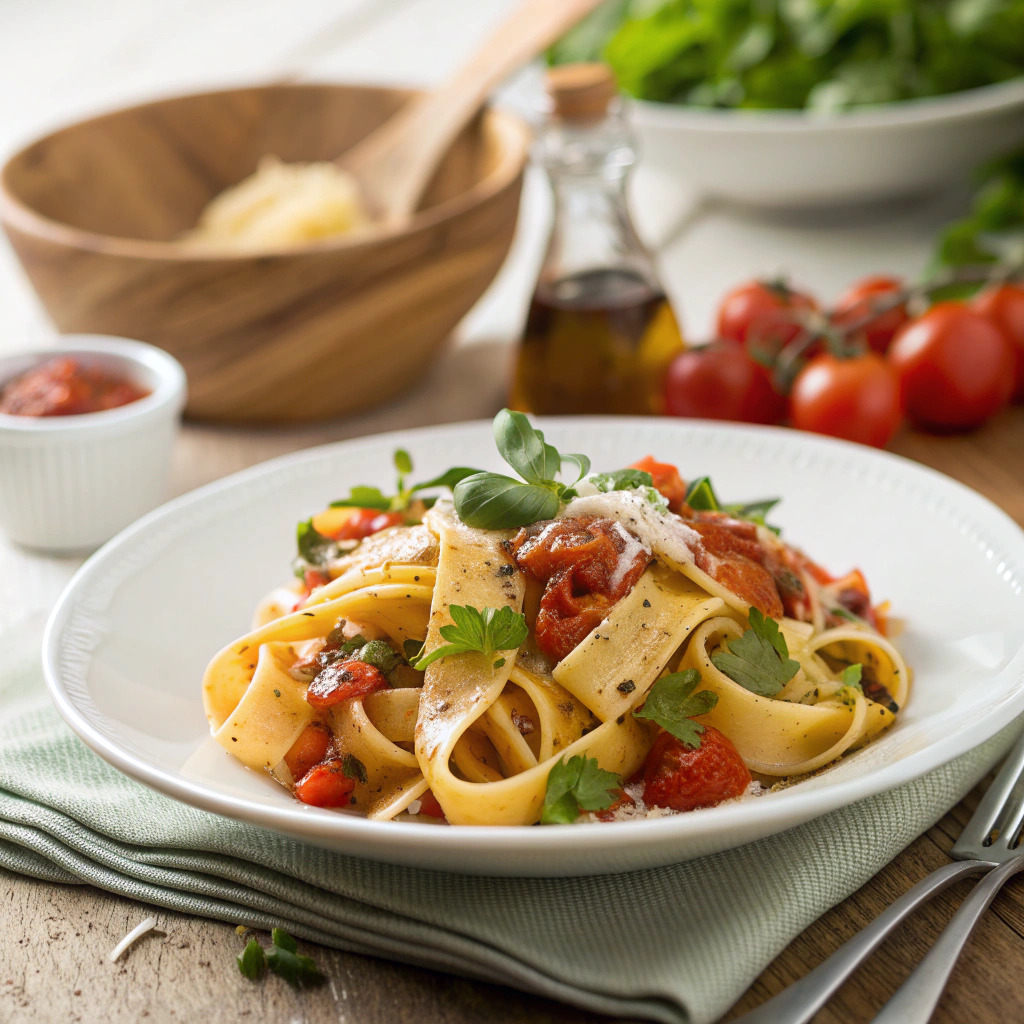
Once your pasta is cooked, serve it immediately for the best texture and flavor. Toss it with your favorite sauce, whether it's a classic marinara, creamy Alfredo, or a simple drizzle of olive oil and fresh herbs. Freshly grated Parmesan cheese adds a lovely finish. For a more elegant presentation, consider garnishing with fresh basil or a sprinkle of chili flakes for a bit of heat. Homemade pasta can also be served alongside grilled vegetables or a fresh salad to create a balanced meal. Enjoy the fruits of your labor with a glass of wine to elevate your dining experience.
Troubleshooting
| Problem | Solution |
|---|---|
| The dough is too sticky and difficult to work with. | If your dough is sticking, sprinkle a little extra flour on your work surface and your hands while kneading. Ensure you’re not adding too much moisture when mixing the ingredients. A little flour goes a long way in achieving the right consistency. |
| The pasta is tearing when rolling it out. | If the dough tears, it may be too dry or too cold. Allow it to rest longer at room temperature to soften. If it’s too dry, lightly moisten your hands and knead in a bit of water until the dough is pliable. |
Reader Questions
Can I make pasta without a pasta machine?
Yes, you can roll out the dough using a rolling pin. It may take more effort but can yield excellent results.
How long can I store the uncooked pasta?
Uncooked pasta can be stored in the refrigerator for up to two days in an airtight container.